Why Wear Insoles When Golfing?
A typical round of golf involves walking 4-6 miles across diverse terrain, which puts sustained stress on your feet. Well-designed insoles help mitigate this stress by distributing pressure more evenly and reducing fatigue as you progress through all 18 holes.
The rotational forces generated during your golf swing place unique stresses on your feet, ankles, and knees. Appropriate insoles can help manage these stresses by providing torsional stability and reducing excessive movement within your shoes. Many golfers experience lower back pain due to poor foot alignment and subsequent postural compensations. Proper insoles can address these issues by promoting better overall body alignment from the ground up.
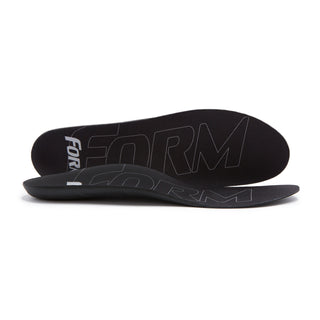
When Selecting Insoles for Golf, Consider the Following Key Features:
-
Rotational control: Look for design elements that help stabilize your foot during the rotational movements of your golf swing.
-
Lightweight support: Choose insoles that provide firm but not bulky support, ensuring they don’t interfere with the feel of the ground during your swing.
-
All-day comfort: Opt for insoles with balanced cushioning that remains comfortable whether you’re walking or standing throughout a full round.
-
Weather versatility: Select materials that perform well in both hot, humid conditions and cool, damp mornings.
-
Heel stabilization: A supportive heel cup is essential for maintaining proper alignment during your address position and swing.
-
Low profile design: Ensure the insoles are thin enough to fit comfortably in your golf shoes without altering their designed fit and feel.

 Try Quiz
 Up to 25% off
 Up to 25% off
